
Did you know that isopropyl alcohol (IPA) 70% has been a cornerstone of modern sanitation and industry for nearly a century? Its unique blend of effectiveness and safety makes it widely used in diverse fields, from healthcare to electronics. Here are some fascinating insights into this chemical's remarkable applications and history.
Since its discovery in 1920, IPA has become a widely used antiseptic and disinfectant. The 70% concentration is particularly effective because it combines just the right amount of water to slow evaporation, allowing the alcohol to thoroughly penetrate and destroy harmful microorganisms. Hospitals, clinics, and households rely on IPA 70% to maintain hygiene and safety.
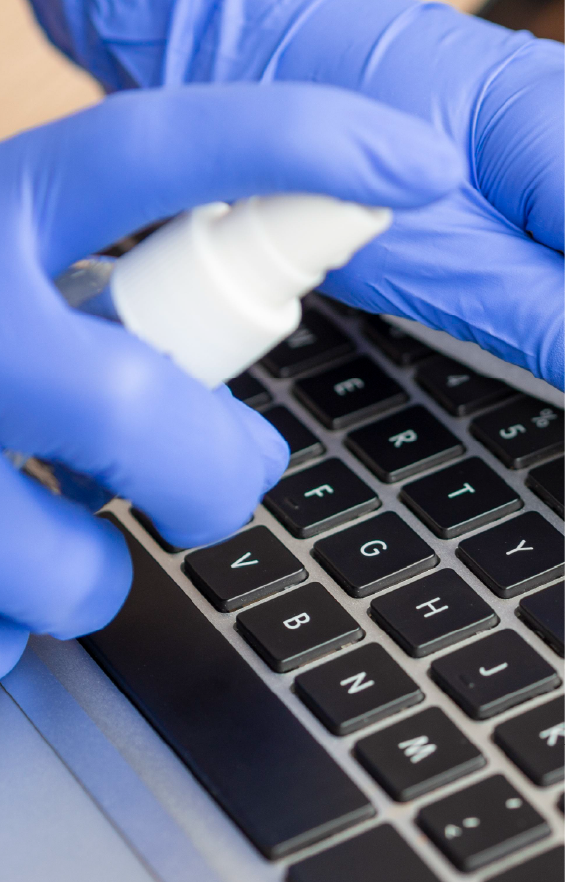
When it comes to sensitive electronic components, IPA 70% is highly effective. Its ability to evaporate quickly without leaving residue makes it a preferred option for cleaning circuit boards, keyboards, and other delicate devices. Fun fact: IPA was widely used in early space exploration, used to clean equipment before and during missions to ensure sterility.
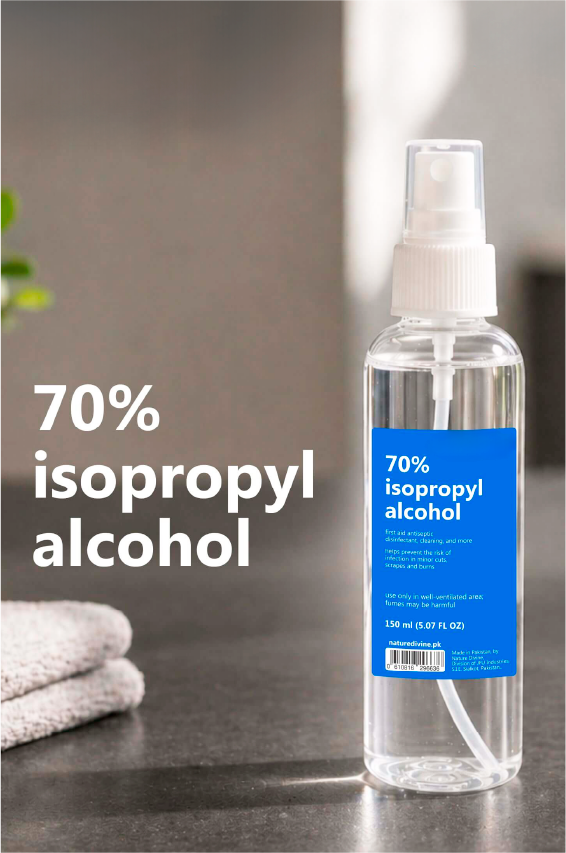
During the early 20th century, IPA transformed how we approach sanitation. Its widespread use during WWII helped reduce infections on the battlefield, saving countless lives. Today, IPA 70% remains a staple in first aid kits, hand sanitizers, and medical facilities worldwide.
Why not 100% IPA? The secret lies in water's role as a catalyst. A 70% solution slows the evaporation rate, giving the alcohol more time to break down cell walls of bacteria, viruses, and fungi. It's a perfect example of how chemistry meets practicality to create an effective disinfectant.